

Bringing the organic rhythm of the universe into the built environment.

The Geometry of Wellness
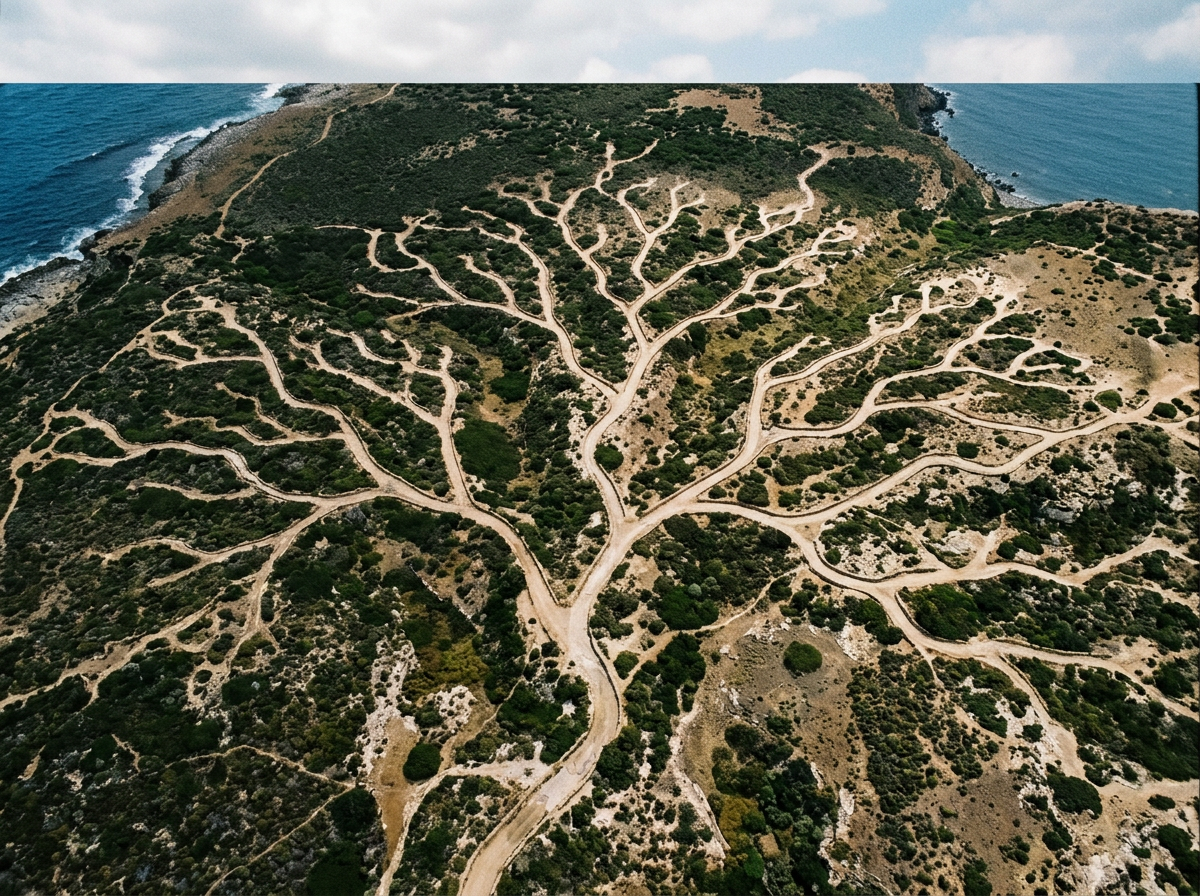
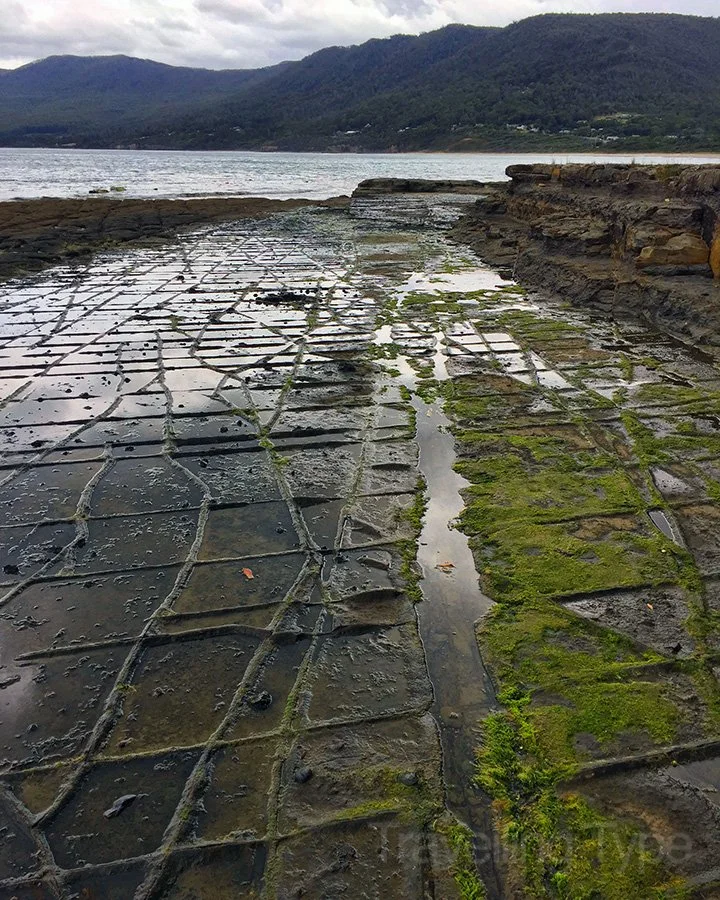
Fractals—complex patterns that repeat at varying scales—are not only visually captivating, they’re also deeply rooted in nature, appearing in everything from tree branches and river deltas to coastlines and leaves. Research over the past few decades has shown that exposure to fractal patterns can significantly reduce stress and promote a sense of calm and well-being.

In design for wellness, incorporating fractals is more than an aesthetic choice. It’s a science-backed strategy for supporting mental health. This response is thought to be evolutionary: our brains are hardwired to recognize and process the self-similar structures found in nature, which helps us relax and feel safe.
Incorporating fractals into design doesn't just enhance aesthetics. It nurtures well-being, making environments more humane, grounded, and emotionally supportive. In a world that often overwhelms, fractals remind us of balance, pattern, and the natural order.
Reducing stress not by simplifying complexity, but by offering a complexity that feels familiar, ordered, and alive.
-
Fractals are one of the most mesmerizing overlaps between high-level mathematics and the natural world. Essentially, a fractal is a "never-ending" pattern that is self-similar, meaning if you zoom into a small part of it, it looks exactly (or very similar) to the whole shape.
-
Exact fractals have been studied by mathematicians since the 1860s.
-
You don't need a supercomputer to see fractals; you just need to look at your dinner plate or out the window.
Romanesco Broccoli: Perhaps the most famous "edible fractal," where each bud is a miniature version of the entire head.
Ferns: Each individual leaf on a fern branch is shaped almost exactly like the larger branch it belongs to.
Human Anatomy: Your lungs and blood vessels are fractal. This design allows for a massive amount of surface area (to exchange oxygen) to be packed into the tiny volume of your chest.
-
Scientific studies have shown that looking at fractals with a specific level of complexity (common in trees and clouds) can reduce human stress levels by up to 60%. Our brains are "hard-wired" to recognize these patterns, and viewing them triggers alpha brain waves, which are associated with a relaxed, wakeful state.
Neuroaesthetic investigations of ‘fractal fluency’ show that the human visual system is wired to look at fractals. Enhanced processing of fractal images takes place at multiple stages of our vision, from the eye movements used to detect fractals through to which parts of the brain are activated when understanding them. This fractal fluency boosts cognitive engagement when people are exposed to mid-complexity fractals, particularly for visual task skills involving pattern recognition and memory.
-
When observing the fractal designs, the brain communicates with the body using the autonomic nerve system, which is known to slow heart rate and breathing, lower blood pressure, and reduce muscle tension. Using stress measurements to probe multiple body functions related to the brain, eyes, and skin, research has shown that exposure to mid-D fractals reduces the body’s stress levels by 60%.
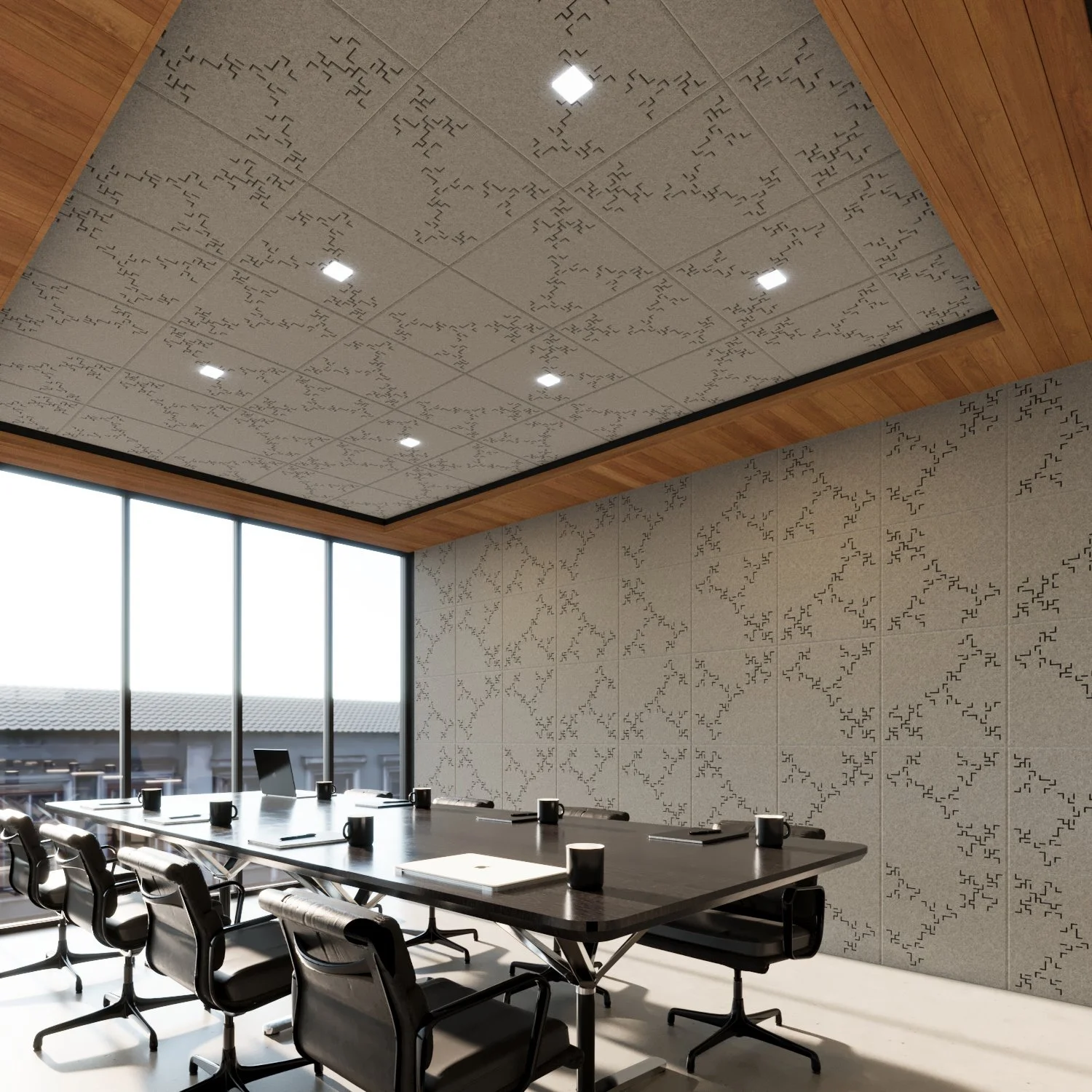
FLUX trek
Jhane Barnes
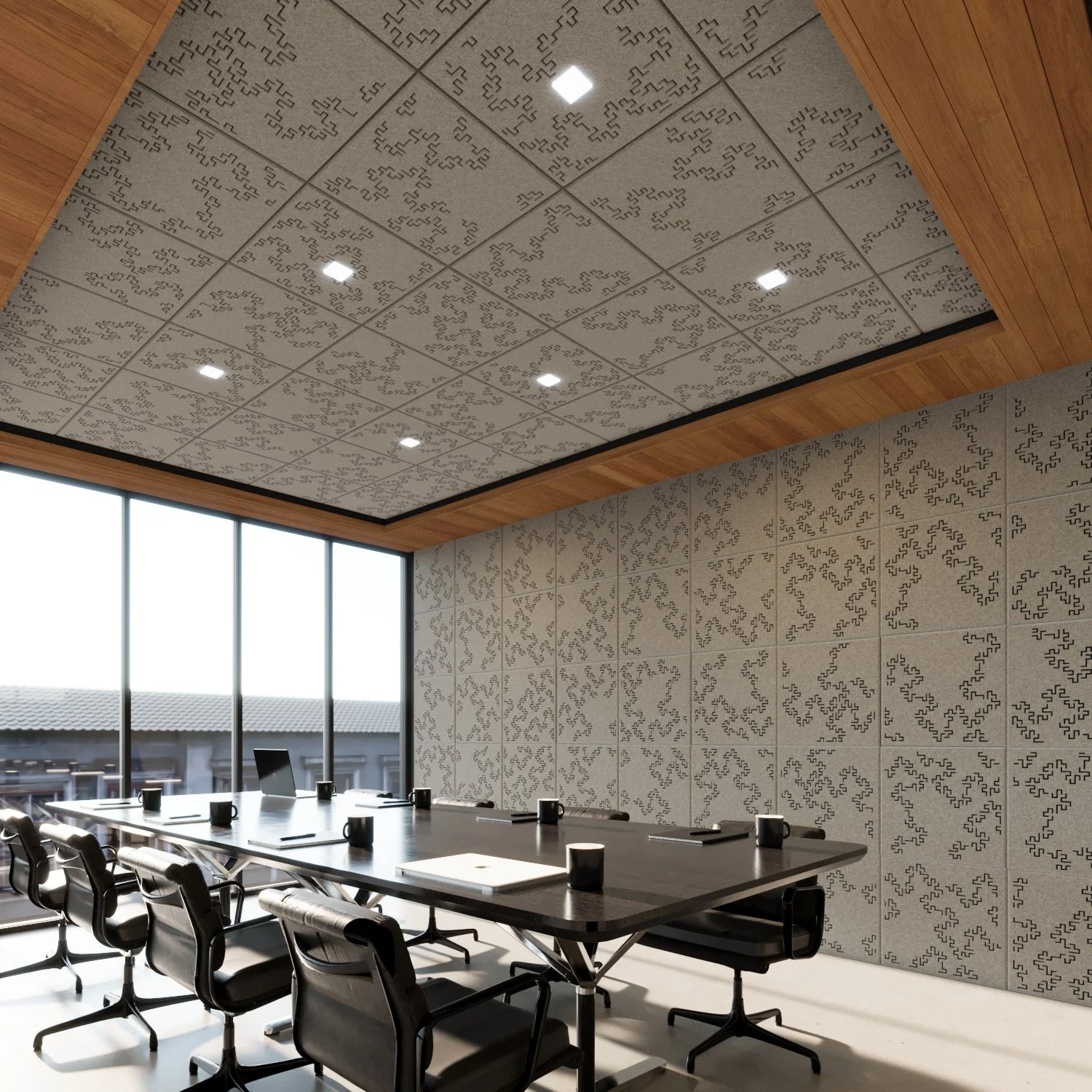
FLUX path
Jhane Barnes
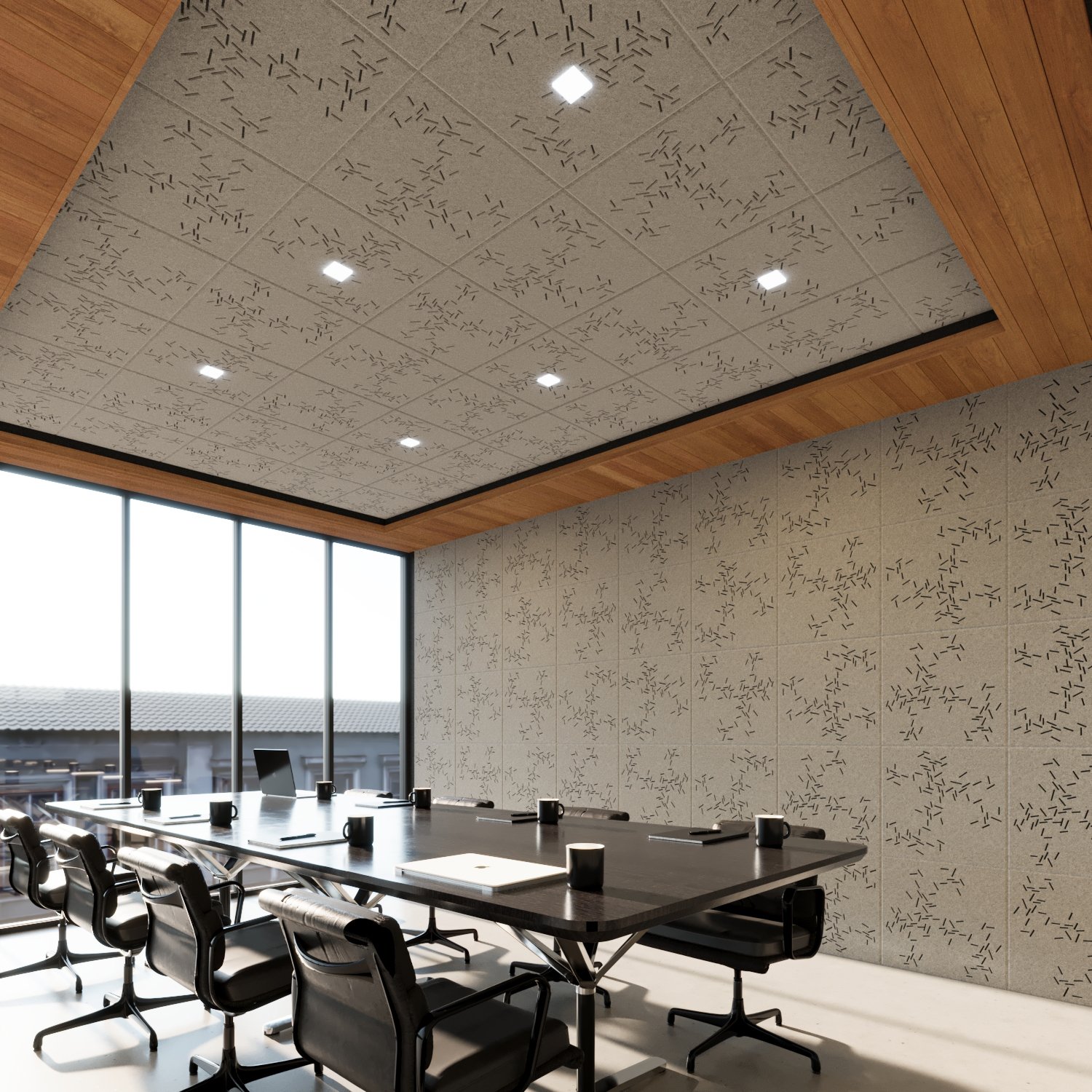

FLUX stix
Jhane Barnes
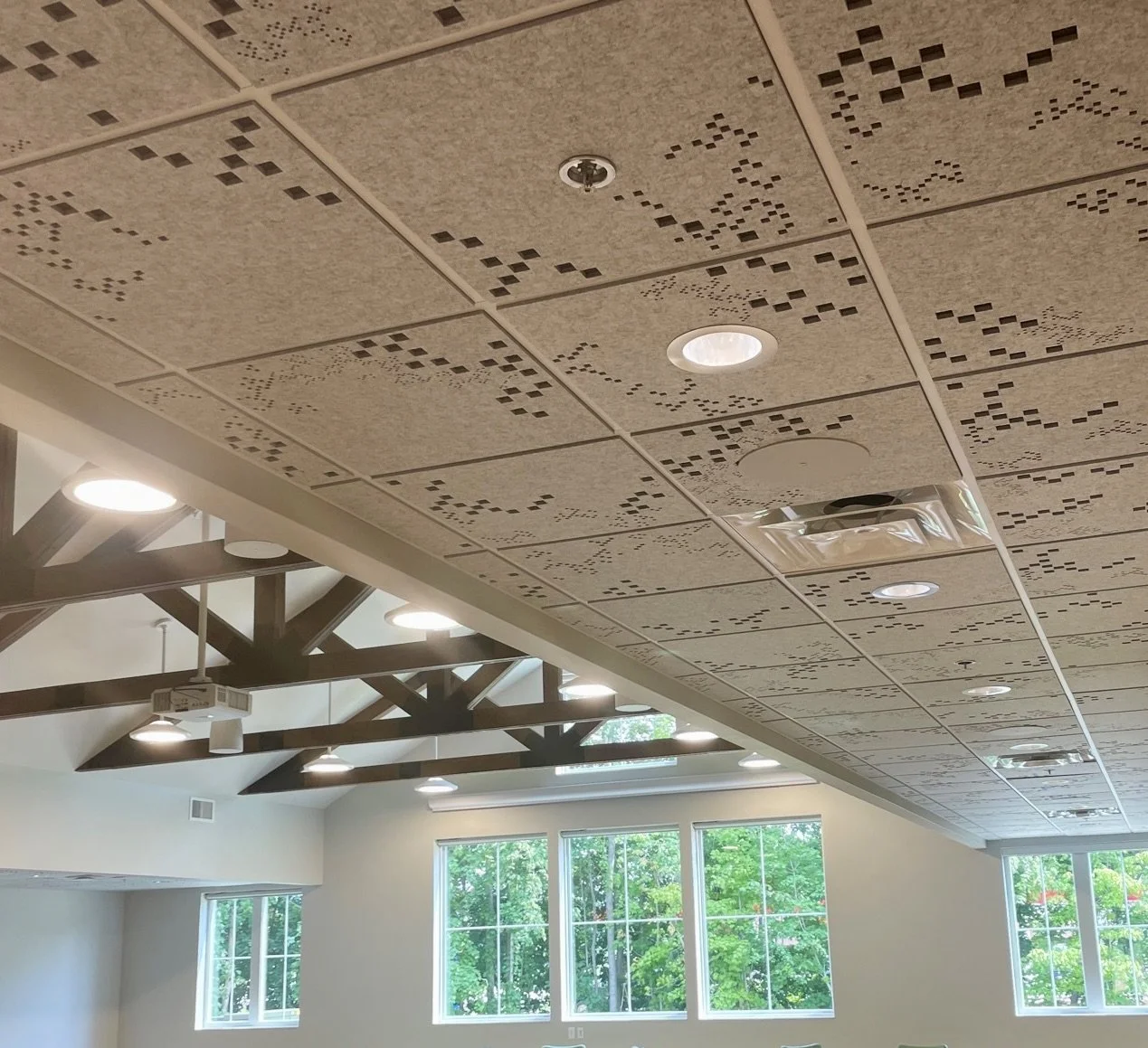

CALM clouds
13 & 9 and Fractals Research
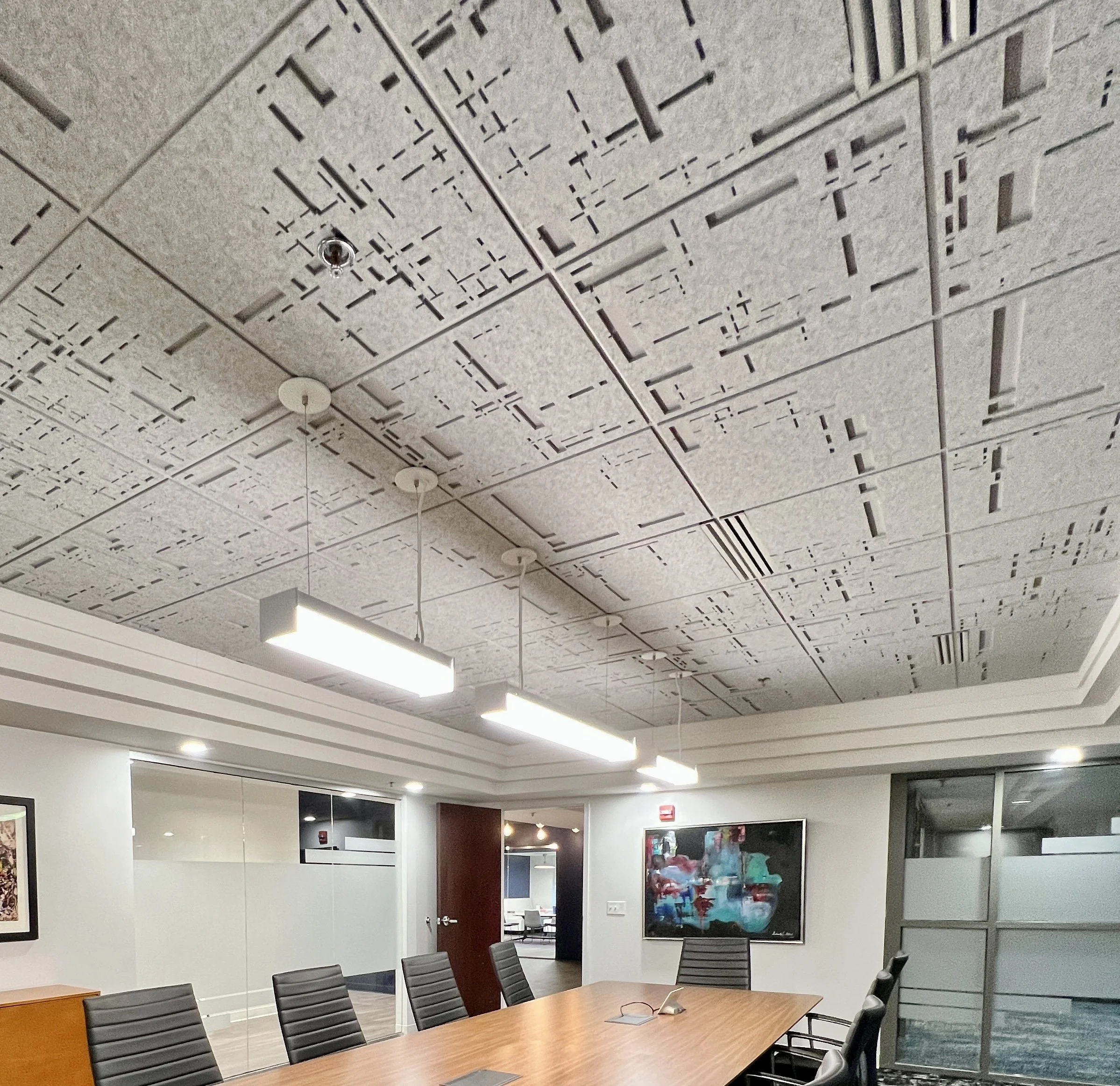
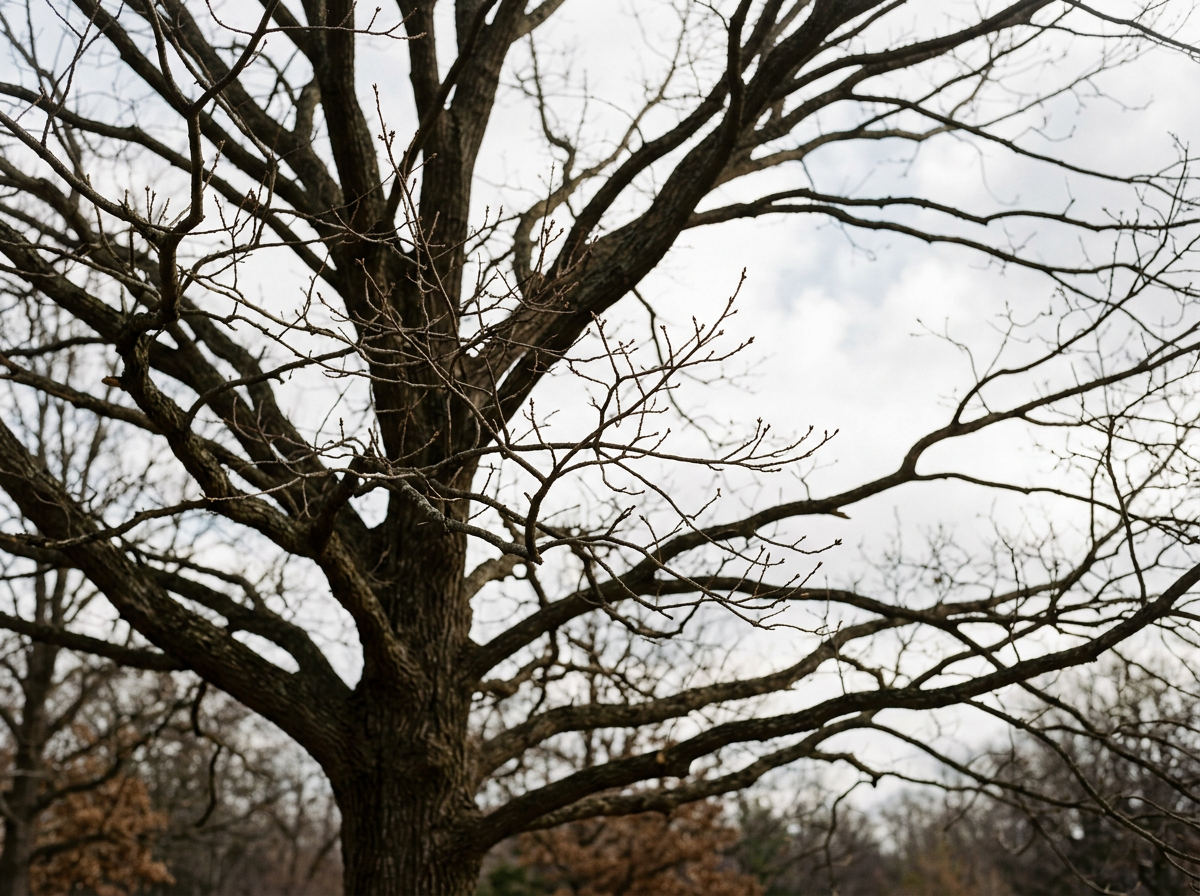
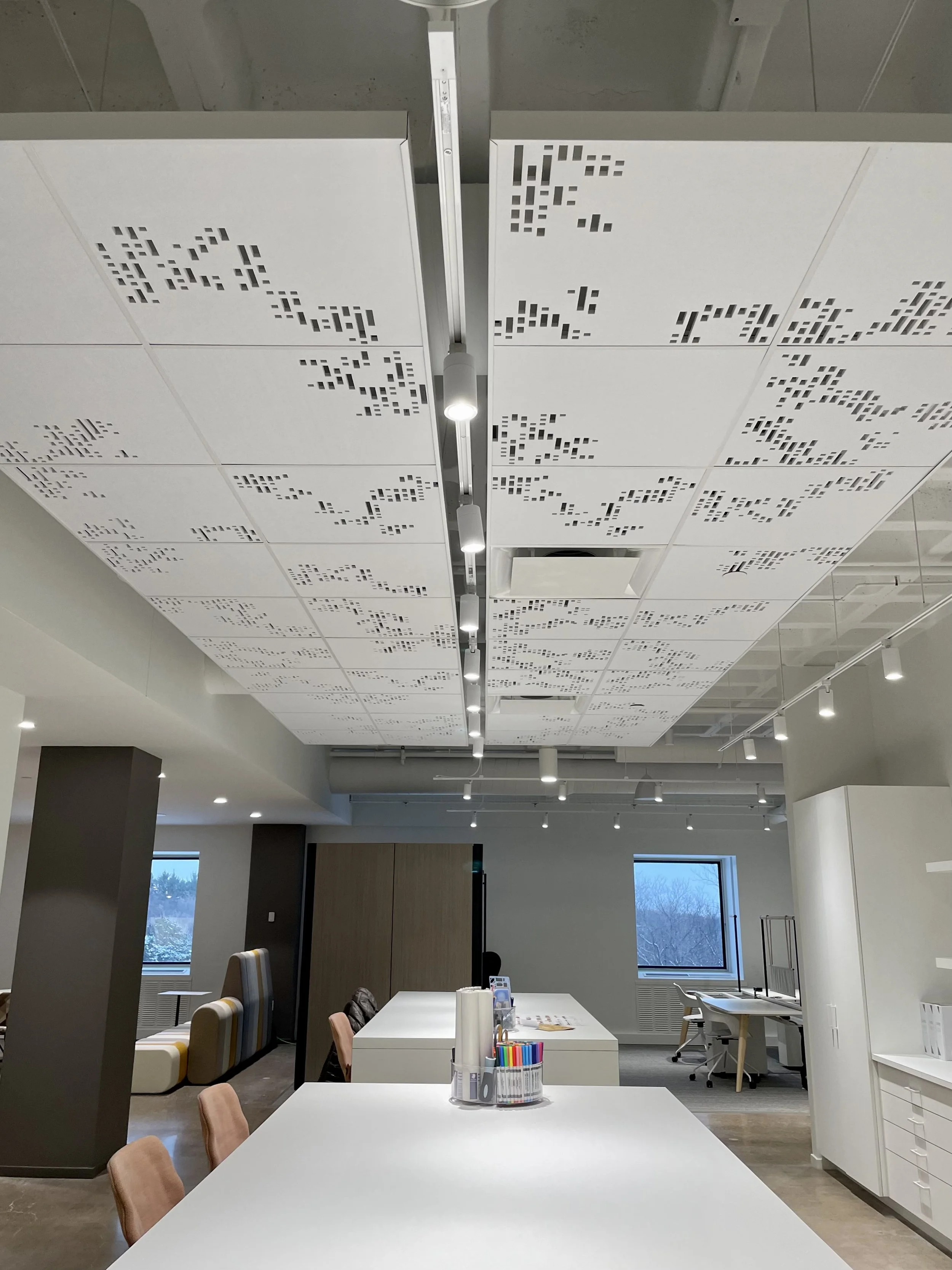
CALM branches
13 & 9 and Fractals Research
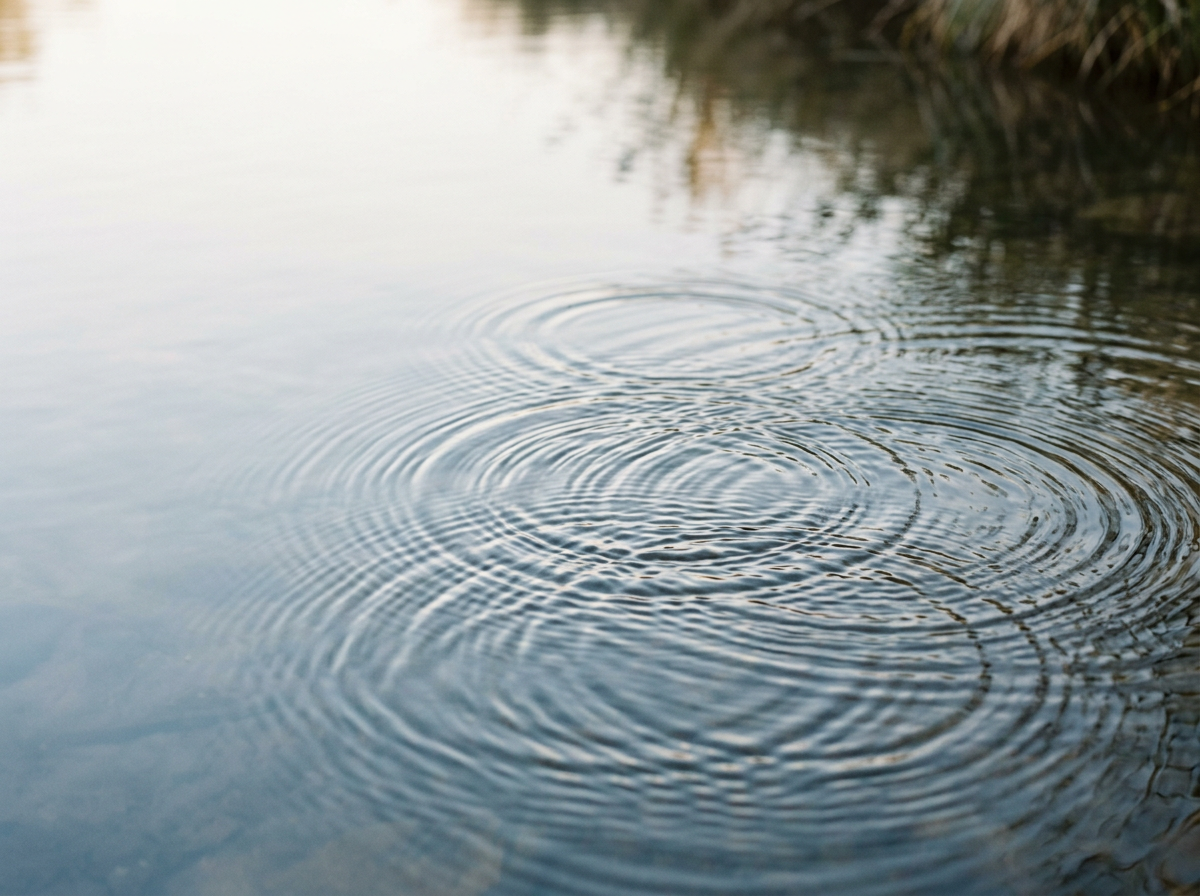
CALM waves
13 & 9 and Fractals Research
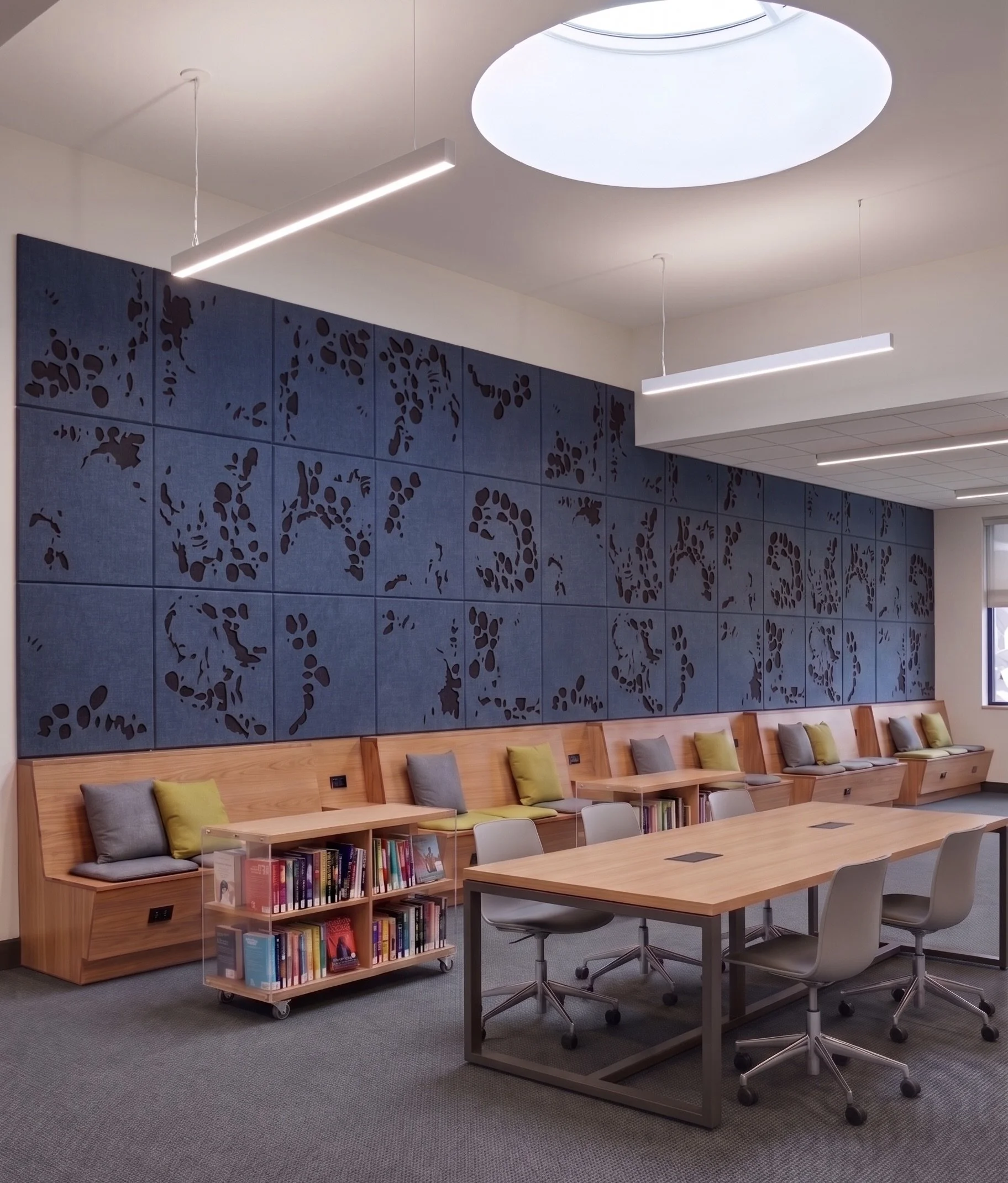
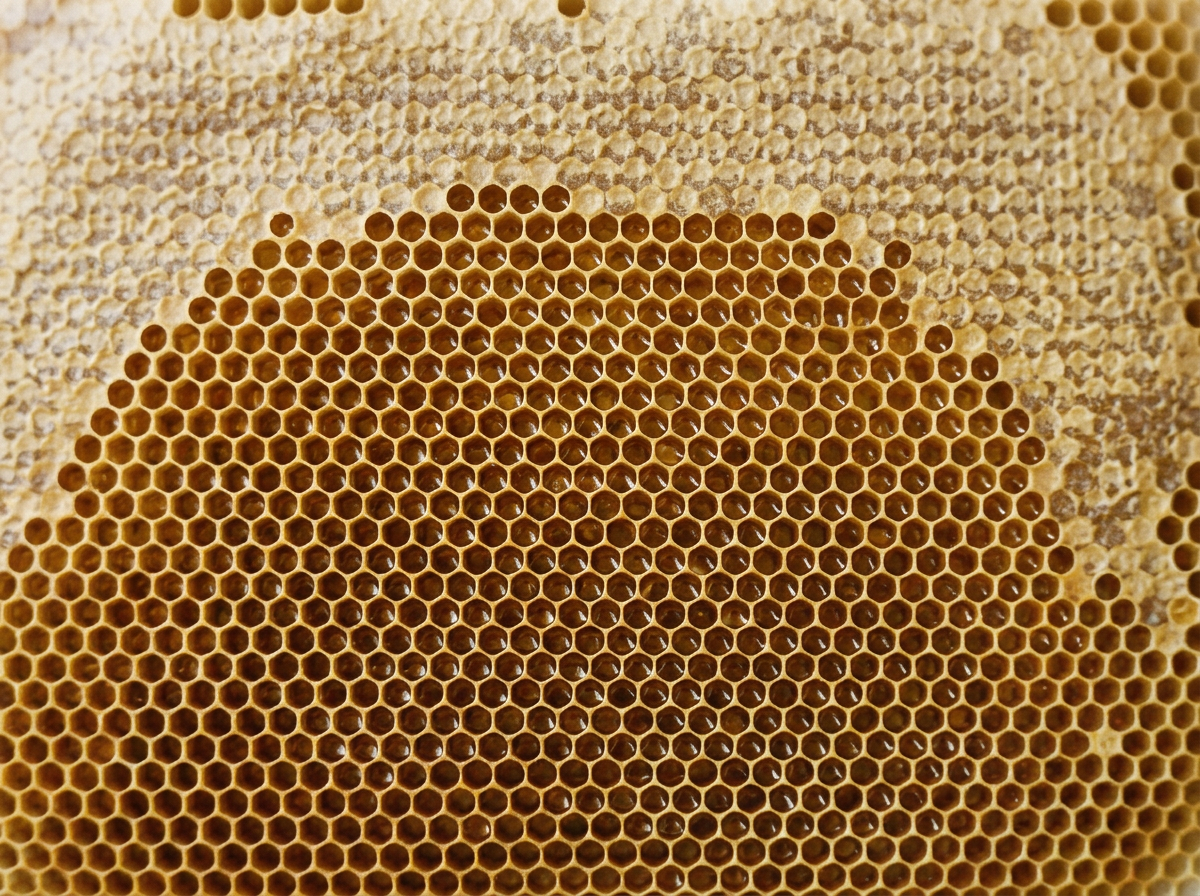
CALM Honeycomb
13 & 9 and Fractals Research